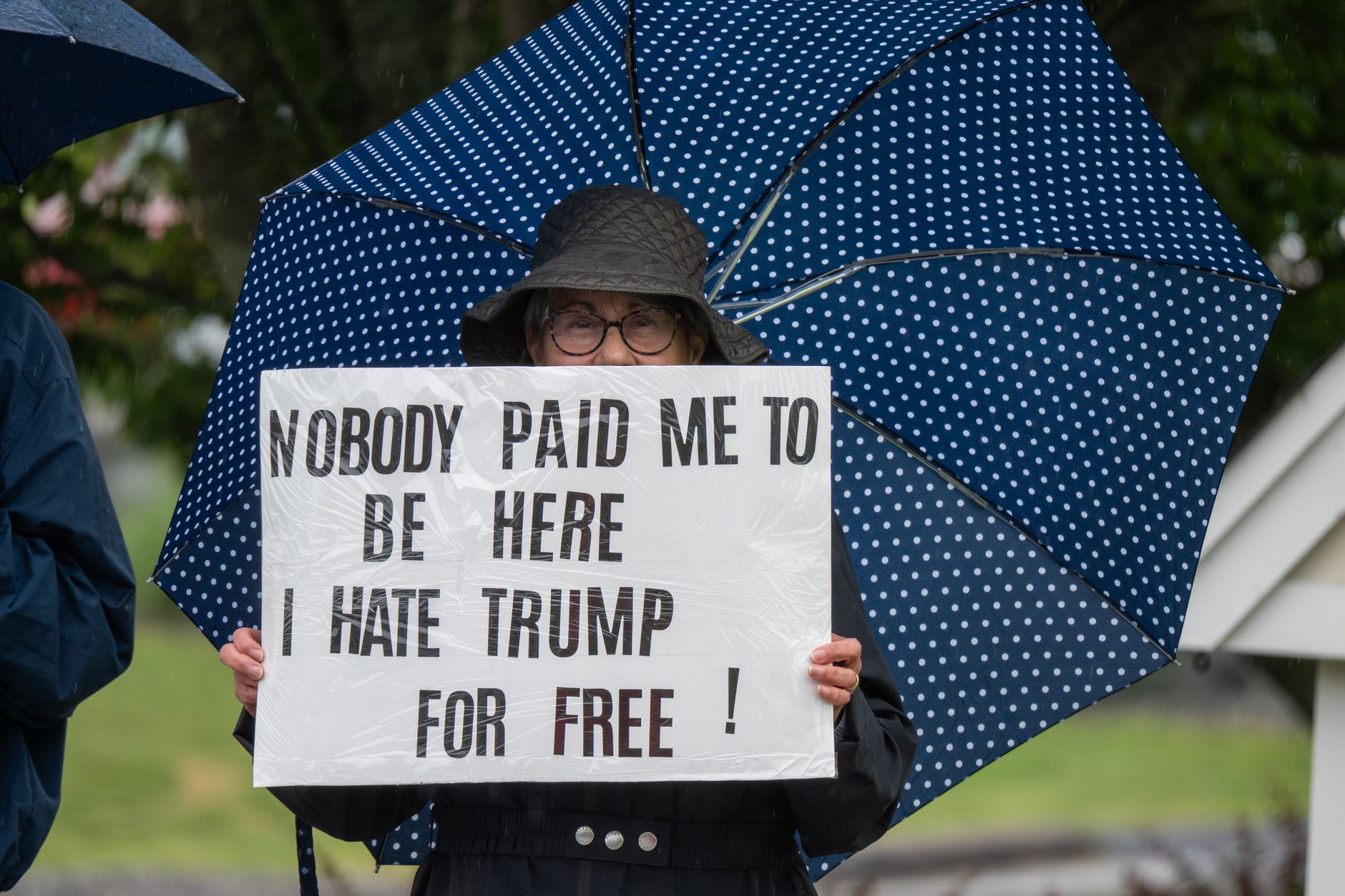
Trump dividend payments are a hot topic as President Trump expresses doubts about the need for Congressional approval. This statement has sparked discussions about the implications for American taxpayers.
Understanding Trump’s Position on Dividend Payments
President Trump has expressed his belief that the proposed $5,000 dividend payments would not require Congressional approval. This stance has sparked a significant discussion among lawmakers and financial analysts regarding the implications of such a move.
Trump’s position is rooted in the idea that these payments could be seen as a necessary economic stimulus, especially in light of ongoing financial challenges faced by many Americans. He argues that immediate financial relief is crucial and that the government should have the flexibility to act quickly without lengthy legislative processes.
However, critics warn that bypassing Congress for Trump dividend payments could set a concerning precedent for executive power. They emphasize the importance of legislative oversight in financial matters, suggesting that any substantial economic initiative should involve thorough debate and approval.
As discussions continue, it remains to be seen how lawmakers will respond to Trump’s assertion. The outcome could significantly influence the future of dividend payments and the overall economic recovery strategy.
Understanding the nuances of this debate is essential for citizens who are closely monitoring the potential impact of such financial decisions.
The Potential Impact of No Congressional Approval
The debate surrounding Trump dividend payments has drawn significant attention, particularly regarding the potential implications of proceeding without Congressional approval. President Trump has indicated that he believes these payments, estimated at $5,000 per eligible individual, do not require legislative endorsement. This stance raises several critical concerns.
First, without Congressional approval, the legality of implementing such payments could be challenged, leading to possible judicial reviews that may delay or halt the distribution. This uncertainty could create frustration among citizens who are waiting for financial relief.
Additionally, many economists warn that bypassing the legislative process may set a concerning precedent for future financial measures. The potential impact on the relationship between the executive and legislative branches could further complicate governmental operations and policy-making.
Moreover, critics argue that unilateral actions diminish the role of Congress in oversight, which is essential for maintaining checks and balances in government. As the discussion continues, it remains to be seen how the administration will navigate the complexities of the approval process for Trump dividend payments.
Public Opinion on Financial Aid
Public opinion surrounding Trump dividend payments has been mixed, with many Americans weighing the potential benefits against the implications of bypassing Congressional approval. A recent poll indicated that approximately 60% of respondents support direct financial aid measures, especially in light of ongoing economic challenges. However, there is significant concern about the legality and transparency of such actions.
Some citizens are enthusiastic about the prospect of receiving up to $5,000, believing it would provide much-needed relief. They argue that these payments could stimulate the economy and improve consumer confidence. On the other hand, critics worry that unilateral decisions could set a dangerous precedent, undermining the legislative process.
- Supporters of the payments argue that immediate action is necessary to address financial hardships.
- Opponents contend that any financial aid should involve Congressional oversight to ensure accountability.
As debates continue, understanding public sentiment will be crucial for policymakers and the Trump administration as they navigate the complex landscape of financial aid.
What This Means for Future Economic Policies
The discussion surrounding Trump dividend payments has significant implications for future economic policies. As President Trump suggests that $5,000 dividend payments may not require Congressional approval, it raises questions about the executive branch’s authority over fiscal measures. This potential shift in policy could streamline financial assistance during economic downturns, allowing for quicker responses to crises without the typical legislative delays.
However, bypassing Congress could also set a concerning precedent. Critics argue that unilateral decisions on such substantial financial disbursements may undermine democratic processes and fiscal responsibility. Moreover, the lack of legislative oversight might lead to uneven distribution and potential exploitation of the funds, impacting the most vulnerable populations.
Public opinion remains divided on the effectiveness of direct payments. Supporters believe that immediate financial aid can stimulate economic recovery, while opponents worry about the long-term consequences of unchecked spending. As the debate unfolds, it will be crucial for policymakers to balance urgency with accountability, ensuring that any approach to Trump dividend payments aligns with sustainable economic strategies for the nation.
Photo by Beth Fitzpatrick on Pexels
Where this came from
Related stories
- Valheim Metacritic Score: The Best Review Record Revealed
- Amritsar airport operations: What caused the shutdown?
- Vijay’s Ranabaali teaser: Is it the best epic reveal ever?
About the Author



1 thought on “Trump Dividend Payments: The Right Way to Navigate Approval”