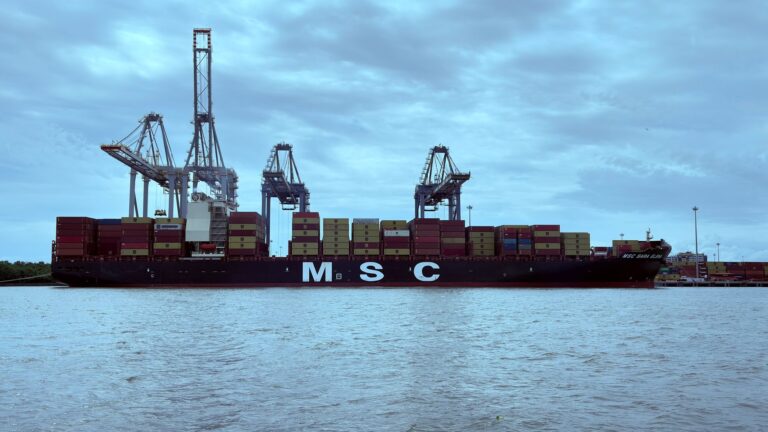
BRICS nations Middle East urges restraint in the ongoing conflict to maintain global trade flow and stability.
Overview of BRICS Statement
The BRICS nations have recently issued a statement emphasizing the need for restraint in the ongoing conflicts in the Middle East. This call comes amidst rising tensions that threaten not only regional stability but also the smooth flow of global trade.
In their collective message, the BRICS nations, which include Brazil, Russia, India, China, and South Africa, highlighted several key points:
- Promotion of Peace: The nations urged all parties involved to prioritize dialogue and peaceful resolutions over military actions.
- Support for Diplomacy: They called for renewed diplomatic efforts to address the underlying issues contributing to the unrest in the region.
- Global Trade Stability: The statement underscored that ongoing conflicts could disrupt global supply chains, impacting economies worldwide.
- Humanitarian Concerns: There was an emphasis on the necessity of ensuring humanitarian aid reaches those affected by the violence.
The BRICS nations reiterated their commitment to fostering a stable and prosperous Middle East, reflecting their broader goals of promoting international cooperation and peace.
Impact on Global Trade
The BRICS nations have expressed significant concern regarding the escalating tensions in the Middle East, emphasizing their potential impact on global trade. In a recent statement, the group called for immediate restraint among involved parties, highlighting the importance of maintaining stability in the region.
As trade routes in the Middle East are critical for the flow of goods worldwide, any disruption could have far-reaching consequences. The BRICS nations, which include Brazil, Russia, India, China, and South Africa, recognize that instability can lead to increased prices and supply chain disruptions.
In light of these challenges, the BRICS nations urge global stakeholders to:
- Engage in diplomatic dialogues to resolve conflicts peacefully.
- Commit to policies that ensure the smooth flow of trade.
- Collaborate on initiatives that promote economic resilience.
By advocating for restraint in the Middle East, the BRICS nations aim to safeguard not only regional stability but also the integrity of global trade networks.
Responses from Middle Eastern Leaders
In response to the recent statement from the BRICS nations calling for restraint in the Middle East, several leaders from the region have expressed their views. Their reactions highlight the complexities of regional dynamics and the importance of diplomatic engagement.
- Saudi Arabia: The Saudi government emphasized the need for dialogue and peaceful resolution to conflicts, reflecting its commitment to stability in the region.
- Egypt: Egyptian officials welcomed the BRICS nations’ stance, stating that it aligns with their own calls for de-escalation and mutual understanding among neighboring states.
- Iran: Iranian leaders reiterated their position, arguing that external interference complicates the situation and calling for a focus on local solutions.
- United Arab Emirates: The UAE voiced support for the BRICS nations’ message, urging all parties to consider the broader implications of their actions on global trade and security.
The collective responses from these Middle Eastern leaders indicate a cautious optimism towards the BRICS initiative, with many viewing it as a potential pathway to fostering peace in a tumultuous region.
Historical Context of BRICS
The BRICS nations, comprising Brazil, Russia, India, China, and South Africa, have increasingly positioned themselves as influential players on the global stage, particularly in areas of conflict and economic cooperation. The formation of BRICS in 2009 marked a significant shift in international relations, as these emerging economies sought to provide an alternative to Western-dominated institutions. The historical context of BRICS is rooted in the desire to enhance collaboration among developing nations and promote a multipolar world.
As geopolitical tensions have escalated, particularly in the Middle East, the BRICS nations have emphasized the importance of dialogue and diplomatic solutions. Their recent statement calling for restraint in the Middle East highlights a collective effort to stabilize the region while ensuring a smooth flow of global trade. The BRICS nations understand that instability in the Middle East can have far-reaching implications, not only for regional security but also for the global economy.
In this context, the BRICS nations advocate for peaceful resolutions that consider the interests of all parties involved.
Future of Middle East Relations
The future of Middle East relations, particularly in the context of the BRICS nations, appears to hinge on mutual cooperation and dialogue. As tensions continue to escalate in the region, the BRICS bloc has emphasized the importance of maintaining stability and fostering partnerships among its members and Middle Eastern countries.
In their recent statement, the BRICS nations highlighted several key areas for future collaboration:
- Economic Cooperation: Encouraging trade agreements that benefit both BRICS and Middle Eastern economies.
- Conflict Resolution: Promoting diplomatic solutions to ongoing conflicts, emphasizing negotiation over military intervention.
- Cultural Exchange: Enhancing understanding through cultural programs and exchanges to build stronger ties.
The call for restraint in the Middle East reflects a broader recognition of the complex geopolitical landscape, where every action can have far-reaching consequences. By prioritizing dialogue and collaboration, the BRICS nations aim to contribute positively to the region’s future, ensuring that their influence promotes peace and stability.
Economic Implications of Conflict
The recent statement from the BRICS nations highlights significant economic implications regarding current conflicts in the Middle East. As these nations emphasize the need for restraint, they aim to mitigate disruptions that could threaten the stability of global markets.
In light of escalating tensions, the BRICS nations have expressed concerns over the potential for decreased oil production, which could lead to significant fluctuations in prices. The Middle East is a critical region for energy supply, and any instability could ripple through economies worldwide.
Additionally, the BRICS nations are advocating for:
- Increased cooperation: Encouraging collaborative efforts to maintain trade routes and energy supplies.
- Investment in stability: Promoting economic initiatives that foster peace and development in the region.
- Dialogue and diplomacy: Urging nations to pursue peaceful negotiations to resolve ongoing conflicts.
As the BRICS nations call for restraint, their influence may play a crucial role in shaping the economic landscape of the Middle East and beyond.
Conclusion and Next Steps
In conclusion, the BRICS nations’ recent statement on the situation in the Middle East reflects a unified call for restraint amidst escalating tensions. This collective stance highlights the importance of diplomatic solutions over military actions, emphasizing the need for dialogue and cooperation.
The BRICS nations, comprising Brazil, Russia, India, China, and South Africa, recognize that instability in the Middle East has far-reaching consequences for global trade and security. As these nations continue to strengthen their ties, their influence in international affairs is likely to grow, prompting a reevaluation of traditional power dynamics.
Next steps involve ongoing dialogue between BRICS leaders and Middle Eastern counterparts to address the pressing issues at hand. Initiatives may include:
- Establishing platforms for peace talks.
- Promoting economic collaboration to stabilize the region.
- Encouraging humanitarian efforts to alleviate suffering.
Ultimately, the BRICS nations’ commitment to fostering stability in the Middle East is crucial for maintaining a smooth flow of global trade and ensuring a safer world for all.
The recent discussions among the BRICS nations Middle East highlight the urgent need for diplomatic solutions in the region. As tensions escalate, the BRICS nations Middle East must prioritize dialogue over conflict to ensure stability and peace.
Photo by Leonid Altman on Pexels
Read the original
Related stories
- Cochin Shipyard shares fall: The Real Reasons Behind 9% Drop
- Trump Dividend Payments: The Right Way to Navigate Approval
- Valheim Metacritic Score: The Best Review Record Revealed
About the Author