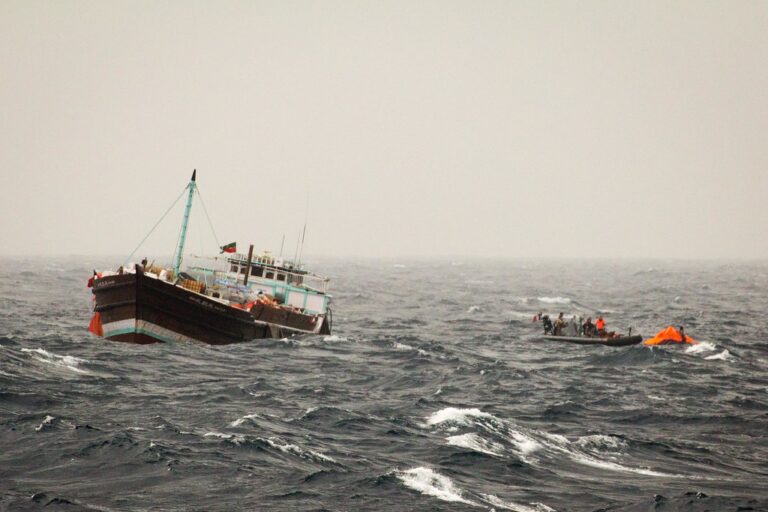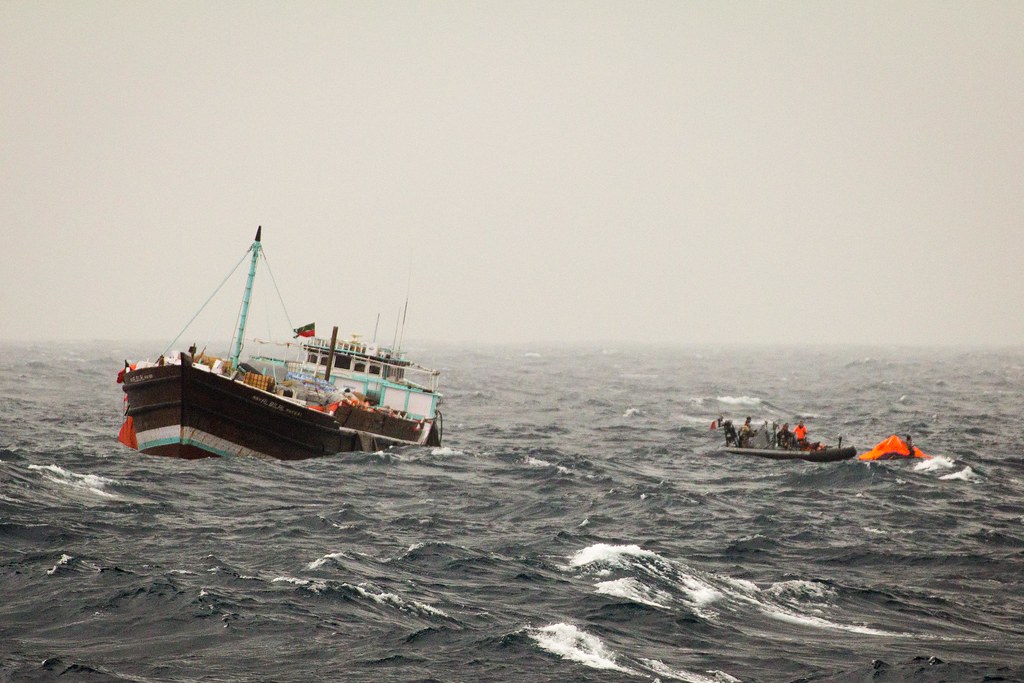
The Indian Navy rescue operation successfully freed all 20 crew members from a hijacked fishing vessel off Somalia. This operation highlights the Navy’s commitment to maritime safety and security in the region.
Overview of the Rescue Operation
The Indian Navy conducted a successful rescue operation off the coast of Somalia, freeing all 20 crew members from a hijacked fishing vessel. This operation highlights the Navy’s commitment to ensuring maritime security and protecting Indian citizens abroad. The vessel, which had been taken hostage by armed pirates, was located after extensive reconnaissance efforts.
Upon receiving intelligence about the hijacking, the Indian Navy swiftly mobilized its resources. The operation involved a multi-faceted approach, combining aerial surveillance and naval assets to track and monitor the situation. The crew members were reported to be in good health despite their harrowing experience.
The rescue mission was executed with precision, showcasing the Navy’s operational readiness and strategic planning. Key elements of the operation included:
- Intelligence Gathering: Continuous monitoring and analysis of the situation allowed for timely intervention.
- Naval Deployment: Warships and aircraft were deployed to the region to ensure a swift response.
- Negotiation and Engagement: Efforts were made to communicate with the hijackers to resolve the situation peacefully.
The successful rescue not only brought relief to the families of the crew members but also reinforced the Indian Navy’s role in international maritime security. Such operations are crucial in combating piracy and ensuring safe passage in busy shipping lanes.
Details of the Hijacked Vessel
The hijacked vessel, identified as the MV Al-Mansoor, was reportedly captured by pirates off the coast of Somalia. This incident occurred in the early hours of the morning, drawing immediate attention from international maritime security forces.
According to reports, the vessel was carrying a total of 20 crew members, all of whom were believed to be in distress following the hijacking. The Indian Navy, renowned for its swift and effective response in such situations, launched an operation to secure the crew’s safe release.
The MV Al-Mansoor was engaged in fishing activities when it was overtaken by armed pirates. The crew, comprised of fishermen from various regions, faced threats that raised concerns for their safety. The situation escalated rapidly, prompting the Indian Navy to intervene.
Key details regarding the hijacking include:
- Location: Approximately 200 nautical miles off the Somali coast.
- Time of Hijacking: Early morning hours, specific date not disclosed.
- Type of Vessel: Fishing boat engaged in commercial activities.
- Response: Indian Navy dispatched ships and aircraft to the area.
The successful operation highlighted the Indian Navy’s commitment to maritime security and its capability to conduct effective rescues, further establishing its reputation in international waters.
Response from the Indian Navy
The Indian Navy has received widespread acclaim for its successful operation to rescue a hijacked fishing vessel off the coast of Somalia. The coordinated effort involved various naval assets, showcasing the Navy’s commitment to maritime security and international cooperation.
According to a statement from the Ministry of Defence, the operation was meticulously planned and executed. Rear Admiral Sanjeev Bhasin, who oversaw the mission, emphasized the importance of prompt action in such critical situations. “The Indian Navy’s primary objective is to ensure the safety of our maritime interests and protect seafarers,” he stated.
The operation began when the Indian Navy received intelligence about the hijacked vessel. A dedicated team was assembled, including specialists in anti-piracy operations. The naval forces approached the vessel with caution, employing stealth tactics to minimize potential risks to the crew members.
Ultimately, the Indian Navy’s swift response led to the safe rescue of all 20 crew members, who were reported to be in good health after their ordeal. The successful intervention not only highlights the capabilities of the Indian Navy but also reinforces its role in maintaining peace and stability in the region.
As a result, this Indian Navy rescue mission has been hailed as a significant achievement, reflecting the Navy’s operational readiness and dedication to safeguarding lives at sea.
Reactions from the Crew Members
The crew members of the hijacked fishing vessel expressed immense gratitude following their dramatic rescue by the Indian Navy. Many of them shared their harrowing experiences during the ordeal, highlighting the fear and uncertainty they faced while held captive.
One crew member, who identified himself as Rajesh, recounted the moments leading up to the rescue, stating, “We were terrified. We had no idea if we would make it out alive. The arrival of the Indian Navy felt like a miracle.” Others echoed similar sentiments, emphasizing the relief they felt once they were safely in the hands of the naval forces.
Another crew member, Priya, shared her emotional journey, saying, “We had lost hope. The Indian Navy’s timely intervention was our only chance for survival.” She described the overwhelming joy as they were freed, with many crew members shedding tears of relief.
Family members of the crew were also elated by the news of their loved ones’ safety. Suresh, a family member, stated, “We prayed for their safe return every day. The Indian Navy’s efforts have given us our lives back.”
The successful operation has brought to light the critical role of the Indian Navy in maritime security, with many calling for increased support for their ongoing missions to protect seafarers in perilous waters.
Impact on Maritime Security
The recent Indian Navy rescue operation has significant implications for maritime security in the region. By successfully liberating a hijacked fishing vessel off the coast of Somalia, the Indian Navy has demonstrated its commitment to safeguarding international waters and protecting seafarers from piracy. This operation not only highlights the effectiveness of naval forces but also sends a strong message to potential pirates operating in the Indian Ocean.
Maritime security experts believe that such successful interventions can deter future acts of piracy, which have seen a resurgence in recent years. The Indian Navy’s swift action serves as a reminder of the importance of international cooperation in addressing maritime threats. With the rise in fishing and shipping activities in the region, ensuring safe passage for commercial vessels is essential for global trade.
Moreover, the operation reinforces the role of the Indian Navy as a key player in maintaining regional stability. By taking proactive measures, the Navy helps to instill confidence among shipping companies and fishermen who operate in these waters. The Indian Navy’s involvement not only protects their interests but also promotes broader maritime security initiatives.
- Increased naval presence can help deter piracy.
- Strengthening international collaborations is crucial.
- Encouragement of safe trade routes for vessels.
Overall, the Indian Navy rescue operation exemplifies a significant step toward enhancing maritime security in a region long plagued by piracy.
History of Piracy in Somalia
Somalia has long been associated with piracy, a phenomenon that first gained international attention in the early 2000s. The country’s vast coastline and lack of effective governance have made it a hotspot for criminal activities at sea. In the absence of a strong maritime law enforcement presence, Somali pirates began targeting commercial vessels, leading to numerous hijackings and hostage situations.
The rise of piracy in Somalia can be traced back to several factors, including poverty, unemployment, and the illegal fishing practices by foreign trawlers that depleted local fish stocks. As fishermen turned to piracy as a means of survival, the situation escalated, leading to violent confrontations and high-profile incidents that captured global headlines.
In response to the growing threat, the international community initiated various naval operations to combat piracy in the region. Coalition forces, including the Indian Navy, have played a crucial role in securing shipping lanes and protecting maritime trade. The recent Indian Navy rescue operation which freed 20 crew members from a hijacked fishing vessel, underscores the ongoing commitment to ensuring safety on the high seas.
Despite significant improvements in maritime security, challenges remain. The persistence of piracy highlights the need for continued vigilance and international cooperation to address the root causes of this criminal activity while safeguarding seafarers and vessels operating in these waters.
International Naval Collaborations
The successful operation carried out by the Indian Navy has highlighted the importance of international naval collaborations in combating piracy and ensuring maritime safety. Various nations have recognized the need for a united front against maritime threats, particularly in regions where piracy remains prevalent.
In this instance, the Indian Navy’s swift action not only rescued 20 crew members from a hijacked fishing vessel but also showcased the effectiveness of coordinated efforts among navies operating in the Indian Ocean. Such collaborations often involve information sharing, joint exercises, and strategic planning to enhance operational readiness against piracy and other maritime crimes.
Several nations, including the United States, European Union member states, and regional partners, have been involved in various initiatives aimed at increasing security in the Gulf of Aden and the waters off the Somali coast. These efforts include:
- Joint Patrols: Conducting coordinated patrols to deter pirate activity.
- Training Operations: Providing training and resources to local navies.
- Surveillance Systems: Implementing advanced surveillance technologies to monitor maritime traffic.
The Indian Navy’s rescue operation serves as a reminder of the critical role that international partnerships play in ensuring safe passage for maritime vessels. As modern piracy continues to evolve, such collaborations will be essential for maintaining security on the seas.
Future of Maritime Safety
The recent successful operation by the Indian Navy has highlighted the crucial role of naval forces in ensuring maritime safety. As piracy continues to pose a threat to shipping lanes, the need for vigilant and coordinated responses is more apparent than ever. The Indian Navy rescue not only saved lives but also sent a strong message to potential offenders about the consequences of such criminal activities.
In the wake of this incident, several key factors will shape the future of maritime safety:
- Increased Surveillance: Nations may invest in advanced surveillance technologies to monitor vulnerable shipping routes more effectively.
- Collaborative Efforts: International cooperation among navies could lead to enhanced operational protocols and shared intelligence to tackle piracy and other maritime crimes.
- Legal Frameworks: Strengthening international laws regarding piracy may deter potential acts and ensure swift justice for perpetrators.
- Training and Preparedness: Continuous training for naval personnel and crew members on ships can enhance readiness for emergency situations, ensuring quick and efficient responses.
As maritime challenges evolve, the lessons learned from the Indian Navy’s recent rescue operation could inform future strategies, fostering a safer environment for all who navigate these waters. The commitment to safeguarding maritime interests is not just a national concern but a global imperative.
The Indian Navy rescue operation showcased the dedication and skill of the personnel involved in ensuring the safety of the crew. With the successful completion of the Indian Navy rescue mission, families of the 20 crew members can finally breathe a sigh of relief.
By EU Naval Force Media and Public Information Office via Openverse
Where this came from
You might also like
- Ramayana film promotion: Best proven strategies for success
- INOVIO financial results: What are the proven insights?
- Matua refugees citizenship: Quick and Proven Process
About the Author