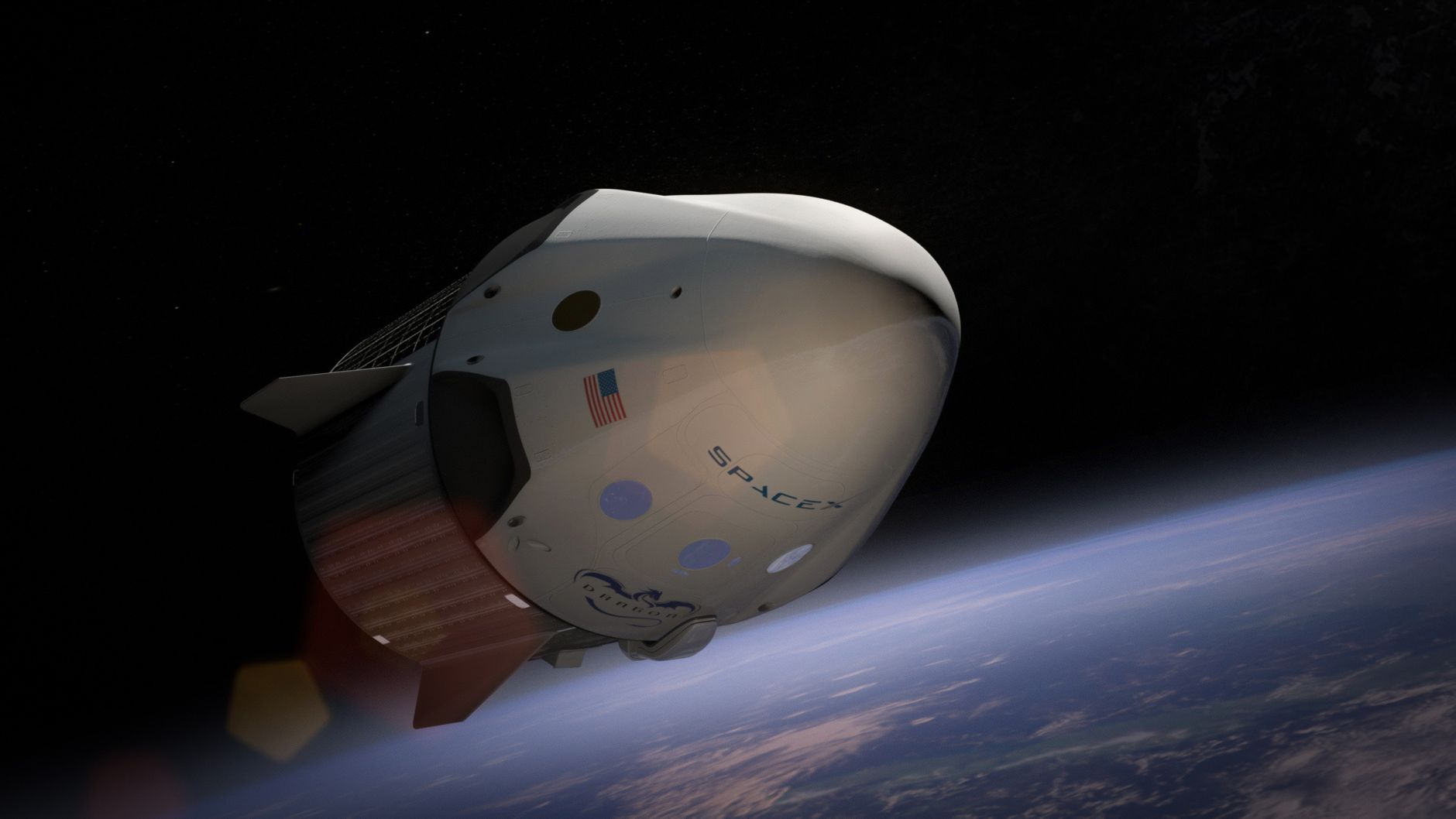
Spaceflight reproductive system issues may affect astronauts’ children and grandchildren, according to an early mouse study. This research highlights potential long-term consequences of space travel on future generations.
Understanding Spaceflight Effects
The effects of spaceflight on the reproductive system have recently garnered attention, particularly concerning potential long-term impacts on future generations. A study involving mice has raised concerns about how exposure to the unique environment of space may influence reproductive health. Researchers observed that the offspring of mice exposed to space conditions exhibited changes in reproductive capabilities.
These findings suggest that the reproductive system may be affected by the stresses of spaceflight, including radiation exposure and microgravity. The study indicates that not only the immediate health of astronauts is at stake, but also the health of their children and grandchildren could be impacted. The implications of these results are significant, prompting further investigation into how spaceflight alters genetic and reproductive functions.
As space agencies prepare for longer missions beyond Earth, understanding the consequences of spaceflight on the reproductive system becomes increasingly crucial. With the potential for human colonization of other planets, ensuring the health of future generations is a priority. Continued research will help clarify these risks and inform protective measures for astronauts participating in long-duration missions.
New Research on Astronauts
Recent studies have begun to shed light on the potential impacts of spaceflight on the reproductive system, particularly concerning future generations. A groundbreaking mouse study suggests that exposure to the unique conditions of space may have lasting effects not only on astronauts but also on their offspring.
The research involved observing mice that had been exposed to space conditions, and the findings were quite concerning. Key observations included:
- Genetic Changes: Mice that experienced spaceflight showed alterations in their reproductive genes, indicating possible risks for their descendants.
- Developmental Issues: The offspring of these mice exhibited developmental anomalies, raising questions about the long-term effects of space travel.
- Health Risks: There is a potential increase in health complications related to the reproductive system in the next generations.
This research brings to light the need for further investigation into how spaceflight may harm the reproductive system, affecting not only those who travel to space but also their children and grandchildren. As space missions become more frequent, understanding these risks is crucial for the future of human space exploration.
Potential Risks for Future Generations
As researchers delve deeper into the effects of spaceflight on human health, concerns are emerging about potential risks for future generations. A recent study using mice has raised alarms regarding the impact of spaceflight on the reproductive system of astronauts’ offspring.
The findings suggest that exposure to the unique environment of space may lead to alterations in reproductive health that could be passed down to subsequent generations. The study indicates that the offspring of mice exposed to spaceflight experienced significant changes, including:
- Altered reproductive hormone levels: Disruptions in the hormonal balance essential for reproduction.
- Developmental anomalies: Changes in the development of reproductive organs and systems.
- Reduced fertility: A decline in successful reproduction rates.
These results raise critical questions about the long-term implications of space travel on human health, particularly regarding the reproductive system. As more astronauts venture into space, understanding these potential risks becomes increasingly crucial.
With the prospect of long-term missions to Mars and beyond, ensuring the safety of both current and future generations of space travelers must be a priority for researchers and space agencies alike.
What the Mouse Study Revealed
A recent study conducted on mice has provided significant insights into how spaceflight may affect the reproductive system. Researchers observed that offspring of mice exposed to space conditions during pregnancy exhibited notable differences in reproductive health compared to those born under normal gravity conditions.
The key findings of the study include:
- Reduced Fertility: Female mice that experienced spaceflight showed a decrease in the number of viable eggs, suggesting potential long-term effects on female reproductive health.
- Altered Genetic Expression: Researchers found changes in genes related to reproductive functions, indicating that spaceflight might alter the genetic material passed to future generations.
- Impaired Sperm Development: Male mice exposed to spaceflight conditions demonstrated impaired sperm production, raising concerns about male fertility in future generations.
These findings underscore the potential risks associated with spaceflight and its impact on the reproductive system, raising questions about the health of astronauts’ children and grandchildren. The implications of such research are crucial as humanity plans for long-duration missions in space. Understanding these risks will be vital for ensuring the well-being of future generations born from astronauts.
Implications for Space Missions
The implications of the recent findings on spaceflight and the reproductive system extend beyond immediate health concerns for astronauts. As space agencies prepare for longer missions, including potential journeys to Mars, understanding the transgenerational effects of space exposure becomes increasingly crucial.
Researchers are now considering how the challenges of spaceflight, such as radiation exposure and microgravity, may influence not only astronauts but also their offspring. The mouse study indicates that the reproductive system may be adversely affected, leading to potential fertility issues in future generations.
Key points to consider include:
- Long-Term Health Monitoring: Ongoing health assessments of astronauts and their families will be essential to identify any emerging trends related to reproductive health.
- Genetic Research: Further studies are needed to understand the genetic implications of spaceflight on reproductive systems.
- Policy Implications: Space agencies may need to revise their health protocols and risk assessments based on these findings.
- Future Mission Planning: Insights from this research could inform the design of habitats and the selection of crew members for long-duration missions.
Ultimately, ensuring the health of astronauts and their future generations is vital for the success of human space exploration.
Expert Opinions on Reproductive Health
Experts in the field of reproductive health are increasingly concerned about the potential implications of spaceflight on the reproductive system. According to Dr. Emily Carter, a leading researcher in astronaut health, “the effects of prolonged exposure to microgravity could extend beyond immediate physiological changes, potentially influencing the reproductive systems of future generations.”
Many researchers are particularly interested in how stressors associated with spaceflight, such as radiation and altered gravity, might affect genetic material. Dr. Michael Chen, a geneticist, emphasizes, “Our studies indicate that the reproductive system in mice exposed to spaceflight conditions showed significant alterations in reproductive health markers. This raises questions about the long-term effects on human reproductive health.”
Furthermore, Dr. Sarah Nguyen, a reproductive endocrinologist, notes, “The data suggests that spaceflight could have implications for the reproductive system of not just astronauts, but also their children and grandchildren. This poses ethical considerations for future missions.”
As space agencies plan for longer missions to Mars and beyond, the health of astronauts’ reproductive systems must be prioritized, ensuring that both current and future generations are protected.
Research into the effects of spaceflight on the reproductive system is still in its early stages, but initial findings suggest potential risks. Understanding how spaceflight reproductive system interactions may impact human health is crucial for future missions.
Photo by SpaceX on Pexels
References
Related reading
Is Medicine Safety Reporting in India the Best or Worst? · Spokesman-Review Front Page: Clear Highlights and Insights · France’s debt increase: The Worst Climb Since 1978
About the Author

1 thought on “Is Spaceflight Harmful to the Reproductive System?”