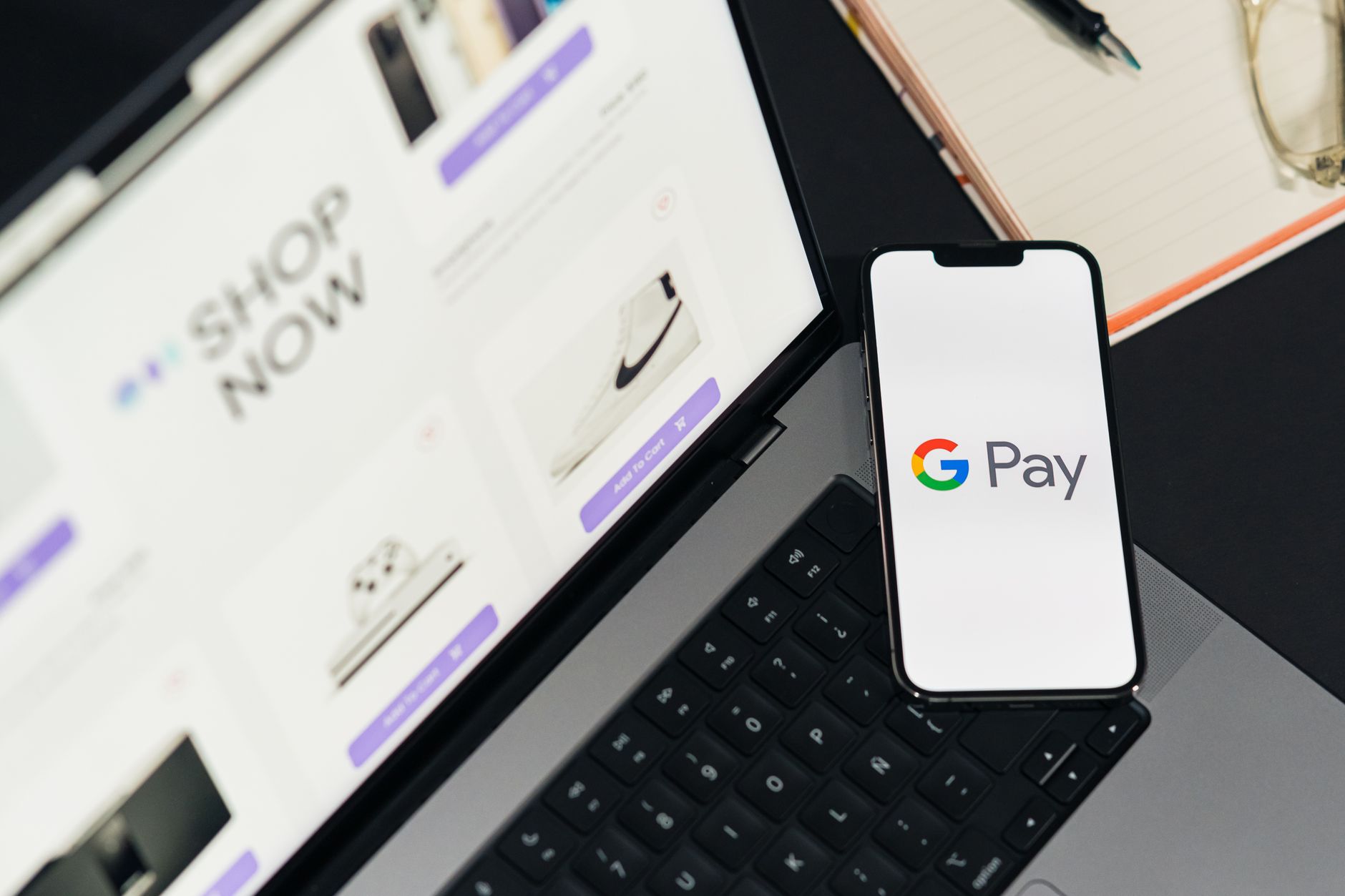
Apple Pay vs GPay is a hot topic among iPhone users. As digital payment options evolve, understanding the differences can help users make informed choices.
Introduction to Digital Payments
In today’s fast-paced world, digital payments have revolutionized the way we conduct transactions. With the rise of various payment platforms, users are often faced with the decision of choosing the right service for their needs. Among the most popular options are Apple Pay and GPay, both of which offer seamless payment experiences for smartphone users.
For iPhone users, Apple Pay is an integrated solution that allows for quick and secure transactions using their devices. It leverages advanced security features like biometric authentication, making transactions not only convenient but also safe.
On the other hand, GPay provides a versatile platform that can be accessed on multiple devices, including iPhones. It allows users to link various bank accounts and cards, offering flexibility in managing their finances.
As we delve deeper into the comparison of Apple Pay vs GPay, it’s essential to consider features such as compatibility, transaction fees, and user interface. Each platform has its unique advantages, making them appealing to different types of users.
Overview of Apple Pay
Apple Pay is a mobile payment and digital wallet service developed by Apple Inc. that allows users to make secure payments using their iPhones, iPads, and Apple Watches. This service provides a seamless way to pay at retail locations, online, and within apps, leveraging the convenience of near-field communication (NFC) technology. Users can store their credit, debit, and prepaid cards within the Wallet app, making transactions quick and efficient.
One of the standout features of Apple Pay is its emphasis on security. Each transaction is authenticated using Face ID, Touch ID, or a secure passcode, ensuring that sensitive payment information remains protected. Additionally, Apple Pay employs a unique device account number that replaces the card number during transactions, further enhancing user privacy.
As we explore Apple Pay vs GPay, it’s important to consider how Apple Pay integrates with the iOS ecosystem, providing an intuitive experience for iPhone users. The ability to manage payments directly from the Wallet app adds to its appeal, making it a popular choice among Apple device owners.
Understanding GPay Features
When considering Apple Pay vs GPay, it’s essential to understand the unique features that GPay offers to its users. GPay, short for Google Pay, is designed to simplify the digital payment process and enhance user convenience.
Some key features of GPay include:
- Wide Acceptance: GPay is accepted at millions of merchants globally, allowing users to make purchases in stores, online, and within apps.
- Seamless Integration: The app integrates with various bank accounts and credit cards, making it easy to manage transactions from a single platform.
- Peer-to-Peer Payments: GPay enables users to send and receive money from friends and family instantly, facilitating quick transactions without any hassle.
- Rewards and Offers: Users can earn rewards and access exclusive deals when using GPay for transactions, enhancing the overall payment experience.
Overall, GPay’s diverse features make it a competitive option for those exploring digital payment solutions alongside Apple Pay.
Comparing PhonePe with Others
When evaluating digital payment options, it’s crucial to compare Apple Pay and GPay with other platforms like PhonePe. Each service has its strengths and weaknesses, catering to different user needs.
Apple Pay is designed specifically for Apple devices, ensuring seamless integration with iPhone features. Its user-friendly interface and robust security measures make it a top choice for many iPhone users. Meanwhile, GPay offers a broader compatibility across devices, supporting transactions on both Android and iOS platforms, which can be advantageous for users with mixed-device households.
PhonePe, on the other hand, is primarily focused on the Indian market, providing extensive support for various local payment methods. Users appreciate its ability to facilitate transactions directly from bank accounts, which can be a significant advantage over both Apple Pay and GPay in specific regions.
Ultimately, the choice between Apple Pay, GPay, and PhonePe will depend on individual preferences, device compatibility, and regional availability, making it essential for users to assess their own needs.
User Experience Insights
User experience plays a crucial role in determining the best digital payment solution for iPhone users. Both Apple Pay and GPay offer distinct advantages, catering to different user preferences and needs.
Apple Pay is designed specifically for iOS, providing a seamless integration with iPhone features. Users appreciate the intuitive interface and the security measures, such as Face ID and Touch ID, which make transactions quick and secure. The ability to make in-store payments with a simple tap is a significant advantage, especially for those who frequently shop in physical stores.
On the other hand, GPay may appeal to users who prefer more versatility and compatibility with various devices. It allows for integration with multiple payment methods and offers rewards and cash-back options, which some users find appealing. However, the experience can vary depending on the specific device and Android version.
Ultimately, the choice between Apple Pay vs GPay comes down to personal preference and how well each service aligns with individual needs and habits.
Security Features of Payment Apps
When it comes to mobile payment solutions, security is a top priority for users. Both Apple Pay and GPay offer robust security features designed to protect users’ financial information.
Apple Pay employs a unique method called tokenization, which replaces sensitive card details with a randomly generated code. This means that actual card numbers are never shared with merchants, reducing the risk of fraud. Additionally, Apple Pay requires biometric authentication through Face ID or Touch ID, providing an extra layer of security.
On the other hand, GPay utilizes multiple layers of security, including encryption and fraud detection technology. GPay also supports two-factor authentication, ensuring that only authorized users can access their accounts. Furthermore, any transactions made with GPay are also protected through tokenization.
While both payment apps prioritize user security, the choice between Apple Pay vs GPay may ultimately depend on personal preference and device compatibility. Users should consider which features align best with their security needs and overall convenience.
Conclusion: Best Option for iPhone Users
In conclusion, when considering Apple Pay vs GPay, it is essential for iPhone users to weigh their individual needs and preferences. Both platforms offer unique advantages, making them suitable for various types of consumers.
Apple Pay is deeply integrated into the iOS ecosystem, providing seamless functionality for users already invested in Apple products. Its emphasis on security, with features like biometric authentication, ensures that transactions are safe and reliable. Furthermore, the convenience of using Apple Pay in-store and online enhances the overall user experience.
On the other hand, GPay offers flexibility and a broader compatibility with non-Apple devices, making it an attractive option for users who may switch between platforms. It also supports various payment methods and loyalty programs, enriching the user experience.
Ultimately, the best choice depends on how much a user values integration with their device, security features, and additional functionalities. Users should consider their priorities carefully to determine which payment solution aligns best with their lifestyle.
When considering the convenience and security features, the debate of Apple Pay vs GPay becomes increasingly relevant for iPhone users. Ultimately, the choice between Apple Pay vs GPay may depend on individual preferences and usage scenarios.
Photo by Julio Lopez on Pexels
Read the original
Related reading
- Southern Wisconsin news: Quick recap of September 21 highlights
- Is Spaceflight Harmful to the Reproductive System?
- Is Medicine Safety Reporting in India the Best or Worst?
About the Author



1 thought on “Apple Pay vs GPay: The Best Choice for iPhone Users”