giant collisions moons have become a focal point in recent astronomical studies. New findings from the Webb telescope provide fascinating insights into how moons may form around distant stars through massive collisions.
What are giant collisions?
Giant collisions refer to massive impacts that occur between celestial bodies, often resulting in significant changes to their structure and formation. These cosmic events can lead to the creation of moons around planets, as debris from the collisions can coalesce into smaller bodies orbiting larger ones. The concept of giant collisions is crucial in understanding the evolution of planetary systems.
Recent findings from the James Webb Space Telescope have provided new insights into how these giant collisions may have shaped the moons of distant stars. Researchers have identified patterns and materials that suggest similar processes to those observed in our solar system.
- Impact events play a vital role in celestial mechanics.
- Studying these collisions helps astronomers trace the history of planets and their moons.
- Webb’s observations are pivotal in confirming the theory of giant collisions as a moon formation mechanism.
Webb’s groundbreaking discoveries
Recent findings from the James Webb Space Telescope have provided significant insights into the phenomenon of giant collisions that may lead to the formation of moons around distant stars. Researchers have observed patterns in the debris disks surrounding young stars, suggesting that these massive impacts play a crucial role in moon formation.
Key discoveries include:
- Composition Analysis: Webb’s instruments analyzed the chemical make-up of materials in these disks, indicating similarities to our Solar System’s moons.
- Orbital Patterns: The telescope detected specific orbital dynamics that align with theories surrounding giant collisions.
- Temperature Variations: Observations of temperature fluctuations in disk materials hint at energetic events consistent with massive impacts.
These clues reinforce the hypothesis that giant collisions are significant in shaping the characteristics of celestial bodies in various star systems.
How moons form around stars
The formation of moons around stars has long puzzled astronomers. Recent findings from the James Webb Space Telescope shed light on this cosmic phenomenon, particularly in relation to giant collisions between celestial bodies. These collisions are believed to play a crucial role in the birth of moons, as the debris generated can coalesce under the influence of gravity.
Experts suggest that the process involves several key stages:
- Initial Collision: A significant impact between two large objects creates a disk of material.
- Debris Accumulation: Particles within the disk begin to clump together, forming larger bodies.
- Moon Formation: As these bodies grow, they can eventually become moons orbiting a planet or star.
Understanding these giant collisions moons is essential for unraveling the complexities of planetary systems across the universe.
Implications for future research
The findings from the James Webb Space Telescope have opened new avenues for understanding giant collisions and their role in moon formation around distant stars. Researchers are now poised to delve deeper into the implications of these discoveries, examining how such catastrophic events influence planetary systems.
Future research may focus on the following areas:
- Comparative analysis: Studying moon formation in systems with varying characteristics to identify common patterns.
- Simulation models: Developing advanced models to predict outcomes of giant collisions and their impact on orbiting bodies.
- Observational studies: Utilizing Webb’s capabilities to detect remnants of giant collisions in other celestial systems.
Through these efforts, scientists aim to unravel the complexities surrounding giant collisions and moons, potentially reshaping our understanding of cosmic evolution.
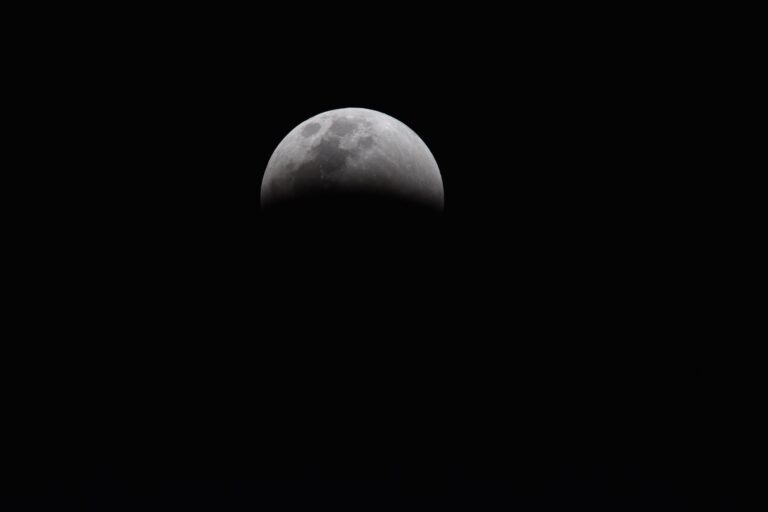
The recent discoveries made by the James Webb Space Telescope have provided valuable insights into the history of giant collisions moons. These findings suggest that such celestial events played a significant role in shaping the surfaces of various moons in our solar system.
By James St. John via Openverse
Where this came from
India’s Best Footballer: Marquinhos’ Honest Opinion Revealed · Bangladesh Asian Games: Is It Worth Cheering for Gold? · Voter Forms for Americans Abroad: Simple Steps to Ensure Your Vote
About the Author


1 thought on “Giant collisions moons: Proven clues from Webb’s findings”