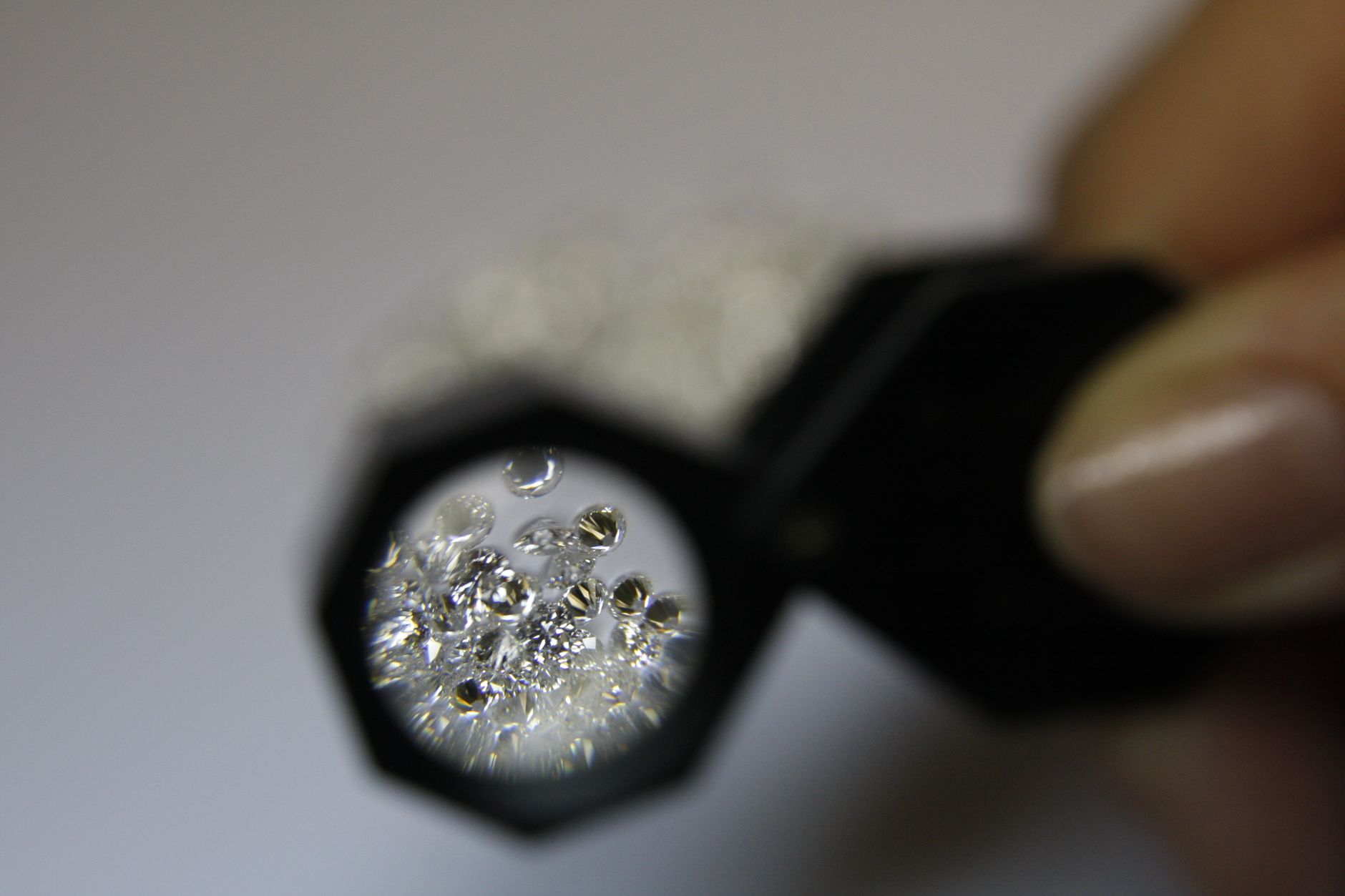
ordinary plastic diamonds are being created by scientists using powerful lasers, transforming waste into valuable resources. This innovative method could change how we view plastic waste.
How Scientists Create Diamonds from Plastic
Recent breakthroughs in materials science have allowed researchers to transform ordinary plastic into billions of tiny diamonds. This innovative process utilizes powerful lasers to convert waste plastic into sparkling gems, offering a sustainable solution to plastic pollution.
The technique involves several key steps:
- Collection of Plastic Waste: Scientists begin by gathering discarded plastic materials, which are often found in landfills and oceans.
- Preparation: The plastic is then processed to remove impurities, ensuring a cleaner conversion into diamond-like structures.
- Laser Application: Using high-energy lasers, researchers bombard the processed plastic, applying extreme heat and pressure. This process rearranges the carbon atoms within the plastic, forming diamond structures.
- Cooling and Collection: The newly formed diamonds are cooled and collected, ready for further refinement or use in various applications.
This method not only highlights the potential of ordinary plastic diamonds but also serves as a reminder of the innovative solutions necessary to tackle the global plastic crisis.
The Science Behind Laser Technology
The recent breakthrough in creating ordinary plastic diamonds involves a sophisticated method using laser technology. This innovative approach harnesses the power of high-energy lasers to transform plastic waste into valuable diamond-like structures.
Scientists have discovered that by subjecting specific types of plastic to intense laser pulses, they can induce a series of chemical changes that mimic the natural diamond formation process. The process can be summarized in a few key steps:
- Laser Pulses: High-powered lasers generate extreme heat and pressure, which causes the plastic to undergo a rapid transformation.
- Carbon Bonding: The energy from the lasers breaks the molecular bonds in the plastic, allowing carbon atoms to rearrange into a diamond structure.
- Cooling Process: Once the transformation is complete, the newly formed ordinary plastic diamonds are cooled, solidifying their structure.
This method not only provides a sustainable solution for plastic waste but also opens new avenues for utilizing these ordinary plastic diamonds in various industries.
Environmental Benefits of Plastic Recycling
The environmental benefits of recycling plastic are significant, especially when considering the innovative process that transforms ordinary plastic diamonds into a valuable resource. By utilizing powerful lasers, scientists have developed a method to convert waste plastic into billions of tiny diamonds, which not only reduces landfill waste but also minimizes the need for virgin materials.
This groundbreaking approach has several key advantages:
- Waste Reduction: Recycling plastic helps divert millions of tons of waste from landfills, contributing to cleaner communities.
- Resource Conservation: The transformation of ordinary plastic diamonds reduces reliance on natural resources, ensuring that ecosystems are preserved.
- Carbon Footprint: By repurposing plastic, the carbon emissions associated with the production of new materials are significantly lowered.
- Innovative Applications: The resulting diamonds can be used in various industries, providing a sustainable alternative to traditional diamond sourcing.
Overall, this method represents a promising step towards a more sustainable future, showcasing the potential of recycling technology.
Future Implications for Waste Management
The innovative technique of creating ordinary plastic diamonds has significant implications for waste management in the future. By converting plastic waste into valuable resources, this method not only addresses the growing plastic pollution crisis but also encourages a shift towards sustainable practices. As communities and industries increasingly prioritize recycling, the production of plastic diamonds could serve as a model for other waste-to-resource strategies.
Furthermore, this approach highlights the potential of advanced technologies in environmental conservation. The use of lasers to transform waste into diamonds demonstrates the power of scientific innovation in tackling pressing ecological challenges. As more research is conducted, similar methodologies may emerge, paving the way for the development of new materials from various forms of waste.
Incorporating ordinary plastic diamonds into commercial applications could also stimulate economic growth, creating jobs in recycling and materials science sectors. Ultimately, the successful implementation of this technology may lead to a circular economy where waste is minimized, and resources are continuously repurposed, fostering a healthier planet for future generations.
Photo by Plato Terentev on Pexels
Sources
You might also like
Rabbi Shmuel Yitzchak Malov: A Real Legacy Remembered · Bioresorbable metal-free magnets: A Proven Approach · Trump bans local businesses: The impact on Hamilton’s economy
About the Author



1 thought on “Ordinary Plastic Diamonds: Proven Method to Transform Waste”