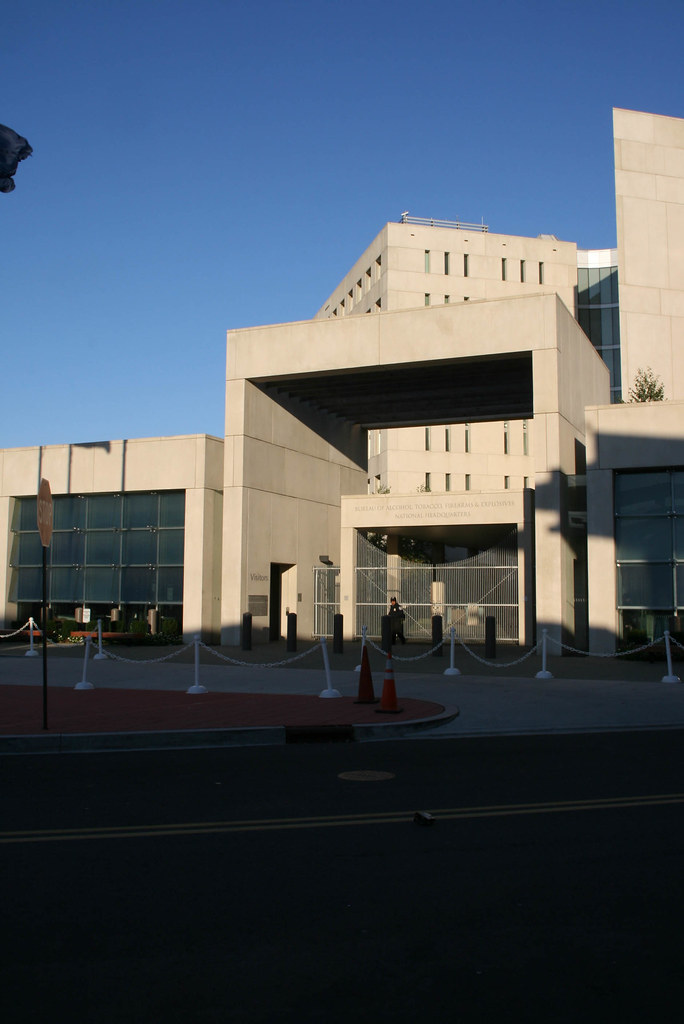
The Justice Department investigation has concluded without probing the botched Reflecting Pool case, despite Trump’s vandalism claims. This decision has sparked significant debate over accountability and oversight.
Overview of the Justice Department’s Decision
The recent decision by the Justice Department to not pursue an investigation into the Reflecting Pool vandalism claims has sparked significant debate. After former President Trump made allegations regarding the defacement of the iconic site, many anticipated a thorough examination by authorities. However, the Justice Department investigation was ultimately deemed unnecessary by the Inspector General.
Critics argue that this decision undermines the integrity of the investigative process. They believe that the claims made by Trump, despite being widely regarded as false, warranted a deeper inquiry to maintain public trust. The refusal to investigate raises questions about the standards used by the Justice Department in assessing the validity of such claims.
Key points surrounding the decision include:
- Public Perception: Many feel that dismissing the need for an investigation sends a message that allegations made at high levels do not require scrutiny.
- Impact on Trust: The Justice Department’s decision may erode confidence in its ability to address issues of potential misconduct.
- Future Implications: This outcome could set a precedent for how similar allegations are handled moving forward.
Overall, the handling of the Reflecting Pool claims raises important questions about accountability within governmental investigations.
Background on the Reflecting Pool Case
The Reflecting Pool case has garnered significant attention due to the controversy surrounding the Justice Department investigation into alleged vandalism. The incident began when former President Trump publicly claimed that the Reflecting Pool had been vandalized during protests, which led to widespread media coverage and public outrage.
The Justice Department was faced with the task of determining the validity of these claims. However, after a thorough review, the Inspector General announced that it would not pursue an investigation into the matter. This decision has raised questions about the standards and processes used by the department when handling allegations of this nature.
Key points surrounding the case include:
- Timing: The claims were made during a period of heightened tension and scrutiny regarding civil rights and public demonstrations.
- Evidence: There was a lack of concrete evidence to support the claims of vandalism, prompting skepticism among experts and the public.
- Public Reaction: The decision not to investigate has ignited debates on the accountability of public figures and the role of the Justice Department in addressing false claims.
As the situation unfolds, the implications of this decision on future investigations remain to be seen.
Impact of Trump’s Vandalism Claims
The Justice Department investigation into the false vandalism claims made by former President Trump has sparked significant debate regarding its implications for public trust in federal institutions. Many critics argue that the decision to not pursue an investigation into the Reflecting Pool case reflects a troubling precedent.
Supporters of the Justice Department’s decision argue that it prioritizes resources and maintains focus on more pressing issues. However, this stance has raised concerns about accountability and transparency. The refusal to investigate has left some wondering whether political motivations influenced the outcome.
The impact of Trump’s claims extends beyond the specific case, as it has led to a broader conversation about the role of misinformation in shaping public opinion and policy. Key points of concern include:
- Public Perception: The decision may erode trust in the Justice Department among citizens who expect it to uphold accountability.
- Political Fallout: Critics suggest that ignoring Trump’s claims could embolden future instances of misinformation among political leaders.
- Institutional Integrity: The Justice Department’s investigation process is crucial for maintaining its credibility, and perceived inaction can undermine its authority.
Ultimately, the ramifications of this decision will likely resonate within the political landscape for years to come.
Public Reaction to the Investigation
The decision by the Justice Department not to investigate the botched Reflecting Pool case has sparked considerable public reaction. Many citizens express frustration, believing the decision undermines accountability and transparency. Social media platforms have become a battleground for opinions, with users sharing their views on the implications of the Justice Department investigation.
Supporters of the decision argue that resources should be directed toward more pressing issues, stating:
- Efficiency: Some believe that pursuing the investigation would divert attention from significant legal matters.
- Context: Others feel that Trump’s claims of vandalism were exaggerated and not worthy of further scrutiny.
Conversely, critics of the Justice Department’s decision highlight key concerns:
- Accountability: Many feel that dismissing the investigation sends a message that high-profile figures can evade consequences.
- Public Trust: Skeptics argue that this decision could erode trust in the Justice Department, leading to broader implications for the rule of law.
As discussions continue, it remains to be seen how this decision will affect public perception and the future actions of the Justice Department in similar cases.
The recent findings of the Justice Department investigation have raised significant concerns about the handling of vandalism claims. As the Justice Department investigation unfolds, many are questioning the implications for future cases of similar nature.
By paul_houle via Openverse
Sources
You might also like
- Project Helix launch: The Best Proven Cost Estimates
- Venezuelan Crude Oil Supplies: The Best Proven Opportunities
- Jio IPO Impact: The Proven Growth of India’s Stock Market
About the Author

1 thought on “Justice Department Investigation: Wrong Decision on Vandalism Claims”