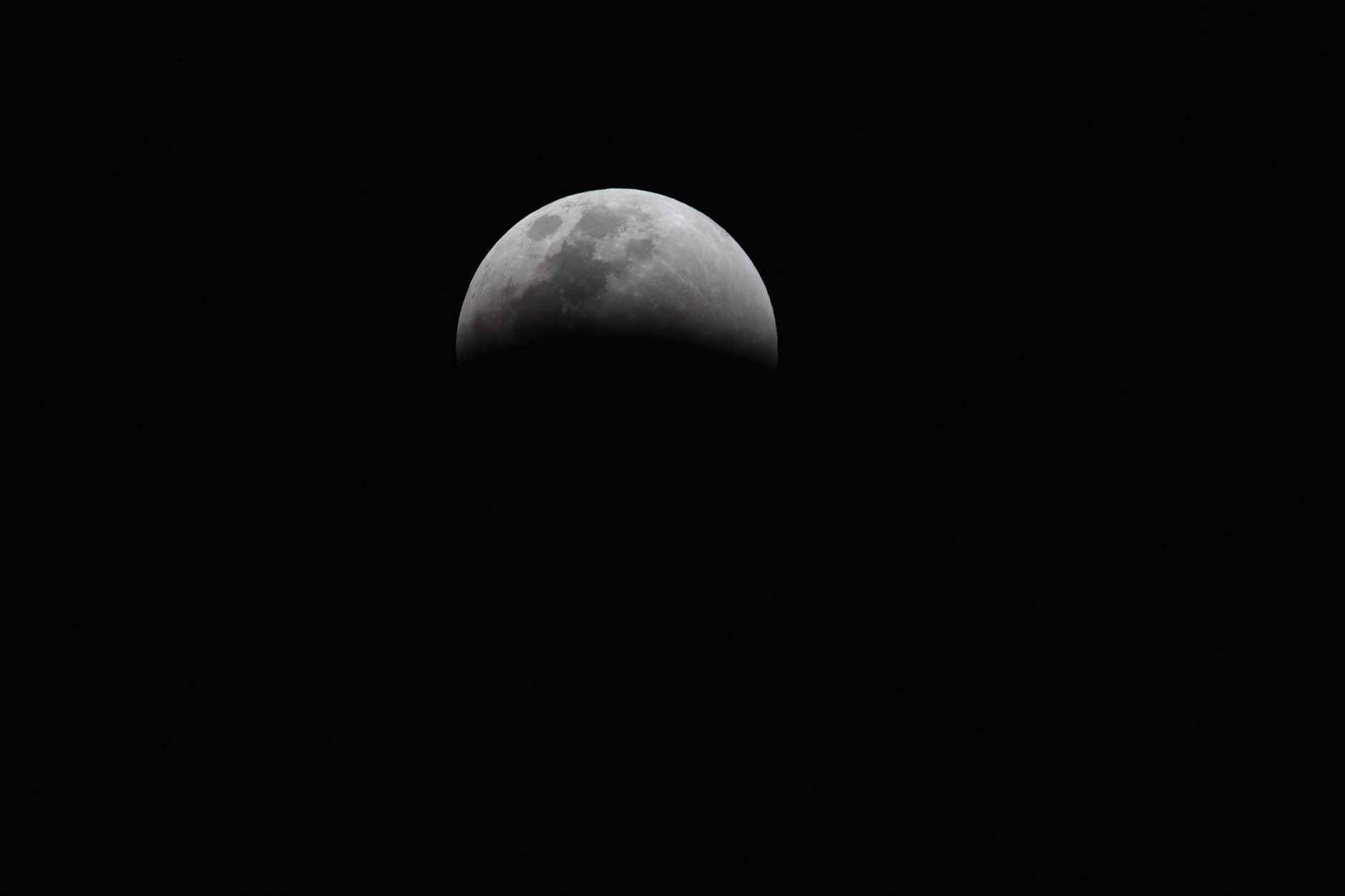
Moon’s origin findings suggest that the formation of the Moon could have occurred in just five hours, leaving scientists astonished by this new perspective.
Introduction to Moon’s Origin
Recent studies have unveiled groundbreaking insights into the Moon’s origin, challenging long-held beliefs about its formation timeline. The findings suggest that the Moon’s formation could have occurred in as little as five hours, a revelation that has left scientists both astonished and excited.
Traditionally, the Moon was thought to have formed over a much longer period, following a colossal impact between the Earth and a Mars-sized body. However, new evidence indicates that the processes involved might have been more rapid than previously assumed. This rapid formation theory provides a fresh perspective on the Moon’s origin findings, suggesting that the conditions immediately after the impact were conducive to quick assembly.
Experts are now revisiting models of lunar formation to account for these new insights. Key elements that may have contributed to this swift process include:
- High-energy collisions that generated intense heat.
- Rapid cooling of molten material.
- Significant gravitational forces at play.
As researchers delve deeper into these findings, they aim to refine our understanding of not just the Moon’s origin, but also the early history of our solar system.
Recent Scientific Discoveries
Recent advancements in lunar research have shed light on the Moon’s origin findings, suggesting a rapid formation process that has left scientists astounded. According to a groundbreaking study, the Moon may have formed in as little as five hours following a colossal impact between Earth and a Mars-sized body. This theory challenges previous notions of a slow, gradual development over millions of years.
The researchers utilized advanced simulations to explore the dynamics of the impact and subsequent debris accumulation. Their findings indicate that the heat generated during the collision was sufficient to cause the molten material to coalesce quickly, forming the Moon within a remarkably short timeframe. Key points from the study include:
- The impact theory suggests a direct collision between Earth and a protoplanet.
- The rapid cooling of debris facilitated the swift formation of the Moon.
- Previous models underestimated the role of heat and material dynamics in lunar creation.
As scientists continue to analyze the implications of these findings, the Moon’s origin remains a captivating area of study. These new insights not only redefine our understanding of lunar formation but also provide a deeper perspective on the early solar system’s dynamics.
The Five Hour Formation Theory
Recent studies have brought forth a revolutionary concept regarding the Moon’s origin findings, proposing a theory that suggests the Moon could have formed in as little as five hours. This rapid formation challenges traditional models that estimate a much longer development period.
According to scientists, the process was triggered by a colossal impact between a Mars-sized body and the early Earth. This event is believed to have ejected a significant amount of material into space, which eventually coalesced to form the Moon. The new evidence indicates that under specific conditions, the debris could have aggregated swiftly, leading to the Moon’s formation within a remarkably short timeframe.
This five-hour formation theory is supported by:
- Geochemical Analysis: Investigations of lunar rocks reveal isotopic similarities with Earth, indicating a shared origin.
- Computer Simulations: Advanced modeling suggests rapid accretion scenarios are plausible.
- Impact Dynamics: Research highlights how the energy from the collision could facilitate quick assembly of materials.
As scientists continue to explore the implications of these findings, the five-hour formation theory could reshape our understanding of the Moon’s origin and its relationship with Earth.
Implications for Planetary Science
The recent findings regarding the Moon’s origin have significant implications for the field of planetary science. Understanding how the Moon formed in such a short time frame challenges existing theories about planetary formation and evolution.
Traditionally, scientists believed that celestial bodies required extensive periods to develop, often spanning millions of years. However, if the Moon’s origin findings are accurate, it suggests that planetary bodies can form rapidly under certain conditions. This revelation could reshape our understanding of not just the Moon, but also the formation of other celestial bodies in the solar system.
Experts are now considering several key areas of research:
- Impact Events: The role of colossal impacts in shaping planetary bodies may be more critical than previously thought.
- Material Composition: The materials that form moons and planets could behave differently under rapid formation scenarios.
- Planetary Systems: This new understanding may lead to the discovery of more fast-forming planetary systems beyond our own.
As scientists delve deeper into these implications, the Moon’s origin findings could pave the way for revolutionary theories in planetary science.
Experts Weigh In on Findings
Experts in planetary science have shared their insights on the recent findings regarding the Moon’s origin, emphasizing the implications of a potential five-hour formation period. According to Dr. Emily Tran, an astrobiologist, these discoveries challenge long-held beliefs about lunar development. “If the Moon’s origin findings are indeed accurate, we are looking at a significant reevaluation of our understanding of planetary formation,” she stated.
Additionally, Dr. Raj Patel, a geophysicist, noted that such rapid formation might indicate a violent early solar system. “This could mean that the processes which led to the Moon’s creation were more complex and chaotic than we previously thought,” he remarked.
Experts agree that these findings could have far-reaching consequences not only for lunar studies but also for our understanding of other celestial bodies.
- Impacts on future research: Scientists are now keen to explore similar formation models for other moons and planets.
- Technological advancements: New methods in data analysis may shed light on this rapid formation theory.
- Educational outreach: Researchers are committed to sharing these groundbreaking findings with the public to enhance understanding of our solar system.
Recent research has shed light on the Moon’s origin findings, suggesting that it formed rapidly after a colossal impact with Earth. These Moon’s origin findings challenge previous theories and provide new insights into our planet’s early history.
Photo by Fernanda Gomez de la torre on Pexels
Read the original
Related stories
- Sikkim Google AI training: Is it the Best Move for Colleges?
- Connecticut food pantry experiences: Honest report reveals insights
- Lokendra vs Union Of India: Clear Insights on the Case
About the Author


1 thought on “Moon’s Origin Findings: Clear Proof of a Quick Formation”