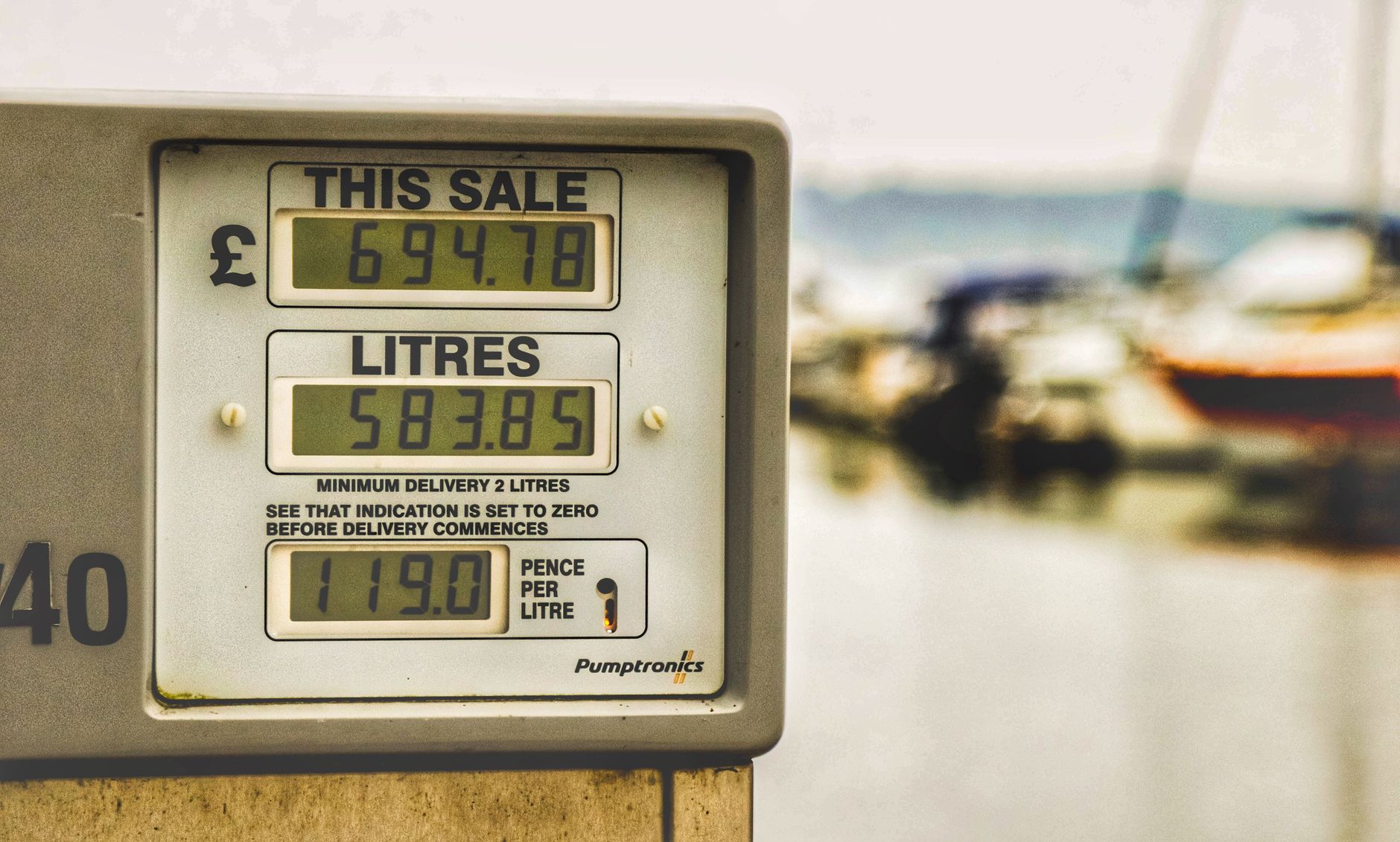
oil prices tumble as they hit a two-week low, driven by optimism surrounding a critical pipeline reopening and ongoing diplomatic efforts with Iran.
Factors Behind the Oil Price Drop
Recent fluctuations in the oil market have seen oil prices tumble to a two-week low, influenced by various factors that are shaping investor sentiment. Among the most significant reasons is the ongoing dialogue surrounding the reopening of critical pipelines, which could enhance supply and stabilize the market.
Additionally, diplomatic efforts concerning Iran’s oil exports have played a pivotal role in the current price dynamics. As negotiations progress, there is optimism that sanctions might be eased, allowing for an increase in Iranian oil production. This potential influx could further contribute to the supply glut that is affecting global oil prices.
Other factors include:
- Global Economic Indicators: Slower economic growth forecasts have led to reduced demand projections for oil.
- OPEC+ Decisions: Adjustments in production levels by OPEC+ countries also impact market stability and pricing.
- Geopolitical Tensions: Fluctuating tensions in oil-rich regions create uncertainty, influencing traders’ reactions.
The confluence of these elements is contributing to the current landscape, showcasing how intertwined geopolitical and economic factors are with oil prices.
Impact of Pipeline Reopening
The recent reopening of key pipelines has had a significant impact on oil prices, contributing to their tumble to a two-week low. Analysts are closely monitoring the situation as the resumption of operations is expected to boost supply in an already volatile market.
Several factors are at play regarding the implications of this reopening:
- Increased Supply: The restoration of pipeline function allows for a quicker flow of oil, potentially easing the tight supply that has plagued markets.
- Market Sentiment: Investor confidence may improve as the reopening signals a stabilization in the sector, which could lead to a recovery in prices.
- Geopolitical Stability: The interplay between pipeline operations and diplomatic efforts, particularly concerning Iran, may further influence market dynamics. Should negotiations lead to increased Iranian oil exports, this could further exacerbate the current price drop.
In summary, while the reopening of pipelines is a positive development, the long-term effects on oil prices remain uncertain. The market will need to adapt to the changing landscape as oil prices tumble amidst these developments.
Iran Diplomacy and Oil Markets
The recent diplomatic efforts involving Iran have added a complex layer to the fluctuating oil markets. As oil prices tumble, analysts are closely monitoring how these negotiations will influence global supply dynamics.
Key points to consider include:
- Potential Increase in Iranian Oil Exports: If diplomatic relations improve, Iran may be able to increase its oil exports significantly, which could further depress prices.
- Impact on Global Supply Chains: A surge in Iranian oil could affect supply chains worldwide, leading to an oversupply scenario that may contribute to the ongoing price decline.
- Geopolitical Stability: Enhanced diplomacy could lead to greater stability in the Middle East, which might reduce the risk premium currently embedded in oil prices.
Moreover, the interplay between Iran’s potential return to the market and other oil-producing nations can shape future trading strategies. Investors are advised to remain vigilant, as the shifting landscape could have lasting effects on oil prices. Understanding these diplomatic developments will be crucial for forecasting market trends in the coming weeks.
Future Predictions for Oil Prices
The recent tumble in oil prices has led many analysts to reassess future market trends. With prices hitting a two-week low, several factors will likely influence the trajectory of oil in the coming months.
Firstly, the reopening of critical pipelines is expected to bolster supply, which could further depress prices if demand does not keep pace. Additionally, ongoing diplomatic negotiations with Iran may alter the landscape significantly, potentially increasing global supply if sanctions are eased.
Analysts are divided on the long-term implications of these developments. Some predict that oil prices could stabilize or even recover if geopolitical tensions ease and demand from major economies rebounds. Conversely, others warn that a sustained price drop could lead to reduced investment in oil exploration and production, creating future supply constraints.
As the market reacts to these dynamics, attention will be focused on:
- Global economic indicators
- OPEC’s production strategies
- Shifts in consumer behavior
In conclusion, while the current tumble in oil prices suggests a short-term downturn, the interplay of these factors will be crucial in shaping future expectations.
Economic Consequences of Falling Oil Prices
The recent decline in oil prices has raised questions about its broader economic implications. As oil prices tumble, several sectors may experience significant shifts that could alter market dynamics.
One of the immediate effects of falling oil prices is the reduction in fuel costs, which can lead to increased consumer spending. When transportation and heating expenses decrease, households often redirect their savings towards other goods and services, stimulating economic growth.
However, the oil industry itself may face challenges. Companies that rely heavily on high oil prices for profitability could see reduced revenues, leading to budget cuts and potential layoffs. This could impact local economies, particularly in regions dependent on oil exploration and production.
Additionally, countries that are major oil exporters might experience economic strain as their revenues decline. This could lead to budget deficits and decreased public spending, further influencing global economic stability.
In summary, while the immediate effects of falling oil prices may seem beneficial for consumers, the overall economic consequences can be complex, influencing both domestic markets and international relations.
As oil prices tumble, investors are closely monitoring the potential ripple effects on the stock market and global economies. The question remains: how will the sustained decline in oil prices tumble affect energy sectors and consumer spending in the coming months?
Photo by Lloyd Freeman on Pexels
References
You might also like
Losing iPhone in Japan: A Simple Guide to Staying Calm · Apple Pay vs GPay: The Best Choice for iPhone Users · Southern Wisconsin news: Quick recap of September 21 highlights
About the Author



1 thought on “Oil prices tumble: What’s the real impact on markets?”